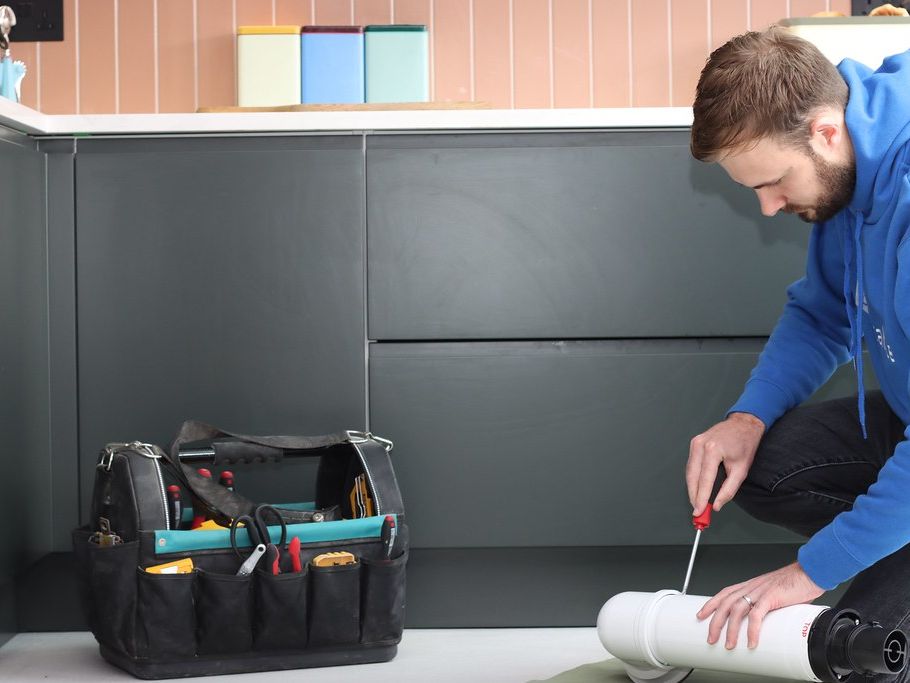
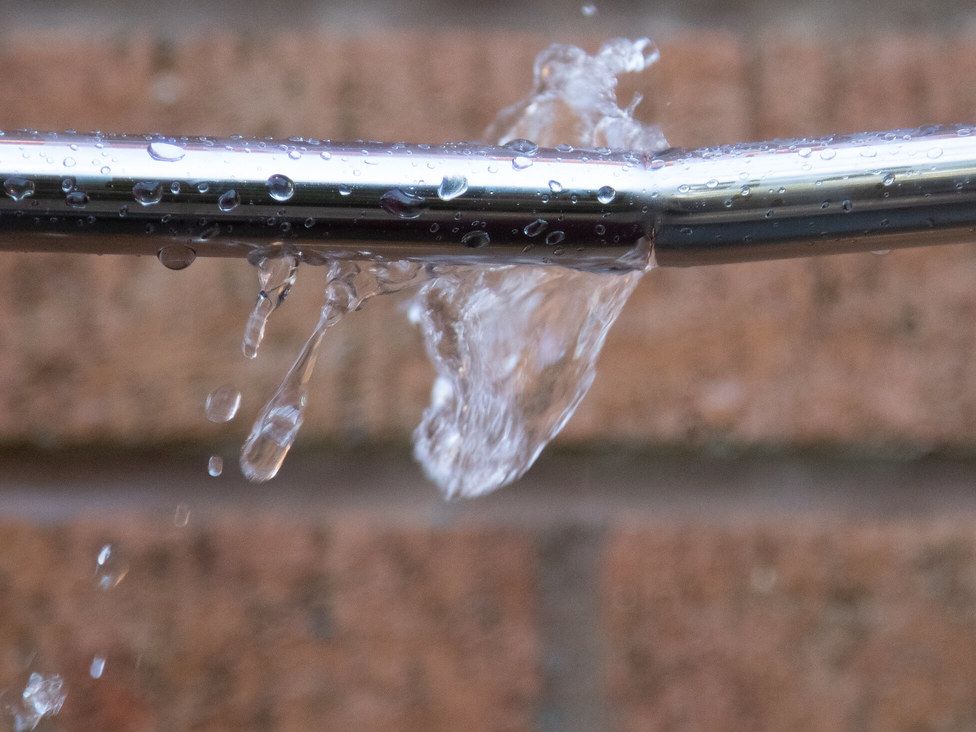
Frozen pipes in Tennessee are water pipes that freeze when the air around them drops below 32°F (0°C), most often in crawl spaces, garages, unheated rooms and exterior walls. Frozen pipes are a plumber’s problem for 2 reasons: a frozen pipe stops the water supply, and the ice expands and splits the pipe, which floods the house once the ice melts. Tennessee homeowners deal with frozen pipes every winter, from Memphis to the Tri-Cities, and the fixes follow 3 stages: prevention before the cold, thawing a frozen pipe, and handling a burst pipe.
How often does Tennessee freeze?
Tennessee freezes many nights every winter. National Weather Service figures for Nashville show an average January with 19 days at or below 32°F (0°C) and an average year with 67 such days. The normal January low in Nashville is 30.1°F (-1.1°C), and the city’s record low is -17°F (-27°C), set in 1985.
The freeze season runs from late fall to early spring. National Weather Service freeze dates for 2 East Tennessee cities:
| City | Median first freeze | Median last freeze | Record low |
|---|---|---|---|
| Knoxville | November 2 | April 1 | -24°F (-31°C), January 21, 1985 |
| Chattanooga | November 9 | March 24 | -10°F (-23°C), January 21, 1985; January 31, 1966; February 13, 1899 |
The record lows of January 1985 show what a hard Tennessee cold snap looks like. A pipe in an uninsulated crawl space freezes long before the air reaches those numbers.
Which pipes freeze first?
Pipes in unheated spaces freeze first. The Tennessee Department of Commerce and Insurance lists 5 places to check for exposed pipes:
- Crawl spaces, where supply lines run under the floor in open air.
- Unheated rooms, such as a sunroom or a closed-off bedroom.
- Basements, where pipes run along the outer walls.
- Garages, where water heaters and laundry lines sit next to the garage door.
- Exterior walls, where kitchen and bathroom supply lines run behind the siding.
Outdoor hose bibs and irrigation lines freeze in the same cold, and a garden hose left connected traps water in the faucet body.
How to prevent frozen pipes in a Tennessee winter
Prevent frozen pipes with 6 steps before a cold night. The first 5 come from the Tennessee Department of Commerce and Insurance:
- Find the main water shut-off valve and make sure every adult in the house can close it.
- Check crawl spaces, unheated rooms, basements, garages and exterior walls for exposed pipes.
- Wrap exposed pipes with foam pipe insulation or heat tape rated for the pipe material.
- Let a small trickle of water run overnight from a faucet on an outside wall.
- Open the cabinet doors under kitchen and bathroom sinks so warm room air reaches the pipes.
- Disconnect garden hoses from outdoor faucets and drain the hoses.
Close crawl space vents for the cold spell and seal gaps where cold air reaches the pipes, such as holes around pipe penetrations in the rim joist. Keep the thermostat at the same setting at night, and leave the heat on in a house that sits empty for a trip.
What to do when a pipe freezes
Shut off the main water valve first when a pipe freezes, then thaw the pipe with warm air. The Tennessee Department of Commerce and Insurance gives the order: close the main valve, then thaw with warm air, never with kerosene or an open flame.
A frozen pipe shows 3 signs: a faucet that gives a trickle or nothing on a cold morning, frost on an exposed pipe, and a bulge or crack in the pipe wall. Thaw the pipe with 4 tools:
- A hair dryer moved back and forth along the pipe, starting at the faucet end.
- A space heater set at a safe distance in the room or crawl space.
- Warm towels wrapped around the frozen section.
- Electric heat tape installed on the pipe and plugged in.
Open the faucet the pipe feeds before thawing, so melting ice and water have a way out. Never use a torch, a kerosene heater or any open flame on a pipe, since a flame starts fires in walls and crawl spaces and overheats the pipe.
What to do when a pipe bursts
Close the main water shut-off valve first when a pipe bursts, then call an emergency plumber. Burst pipes often stay hidden until the ice melts, so the leak starts when the day warms up after the cold snap.
Take 5 steps after closing the valve:
- Turn off the power or gas to the water heater, so the heater does not run with an empty tank.
- Open the lowest faucet in the house to drain the water left in the pipes.
- Shut off the electricity to any room where water reaches outlets or appliances, from the breaker panel and only from a dry spot.
- Move rugs, furniture and electronics out of the water, and mop or vacuum standing water.
- Photograph the damage before cleanup for the insurance claim.
Find an emergency plumber by city on the emergency plumbers page. The listings show which plumbers take calls at night, on weekends and on holidays.
Hidden leaks after a freeze
Hidden leaks after a freeze come from pipes that cracked without bursting. A split in a crawl space line or inside an exterior wall leaks slowly once it thaws, and the first signs are a rising water bill, a meter that moves with every tap closed, a damp floor or a musty smell.
Test the meter to find a hidden leak: close every faucet and appliance, read the meter, and read it again before anyone uses water. A change in the reading means water is leaving the pipes. A plumber finds the leak with acoustic equipment and thermal imaging before opening any wall. See plumbers who offer this work on the leak detection page.
Frequently asked questions
At what temperature do pipes freeze in Tennessee?
Pipes freeze when the water inside them drops to 32°F (0°C). Exposed pipes in crawl spaces, garages and exterior walls reach that point on nights when the outside air falls well below freezing, and Nashville averages 19 such January days at or below 32°F.
Should I drip my faucets on cold nights?
Yes, the Tennessee Department of Commerce and Insurance advises letting a small trickle of water run overnight. Moving water resists freezing and the open faucet relieves pressure in the line. Drip the faucet on the outside wall farthest from the main.
Can I thaw a frozen pipe with a torch?
No, never thaw a frozen pipe with a torch, kerosene or any open flame. The Tennessee Department of Commerce and Insurance says to thaw pipes with warm air, such as a hair dryer or a space heater, after the main water valve is shut off.
Do frozen pipes always burst?
No, a frozen pipe does not always burst, but the ice puts pressure on the pipe and its joints. Many pipes crack without bursting and leak slowly after the thaw. Check the meter and the crawl space after every hard freeze.
When should I call a plumber for frozen pipes?
Call a plumber when a pipe has burst, when the frozen section is out of reach inside a wall or under a slab, or when water returns after thawing but the meter keeps moving. Those 3 cases need a plumber with leak detection or emergency service.
Frozen pipes in Tennessee: the short version
Frozen pipes in Tennessee follow the freeze season from November to April. Prevent them by wrapping exposed pipes, dripping a faucet and opening cabinet doors. Thaw a frozen pipe with warm air after shutting off the main water valve, and call an emergency plumber when a pipe bursts.